


GDA Design for Care Award 2026 – Three Projects That Redefine What Care Can Feel Like
The GDA Design for Care Award 2026 goes to three very different projects, but all of them share one simple idea: care should make life easier, not more complicated.
This year’s winners don’t just add new technology or new products. Instead, they fix moments in everyday life where things quietly go wrong, where something becomes harder than it should be, or where people are asked to adapt instead of being supported.
From driving to aging to childbirth, the projects show how design can step in gently and make space for people again.
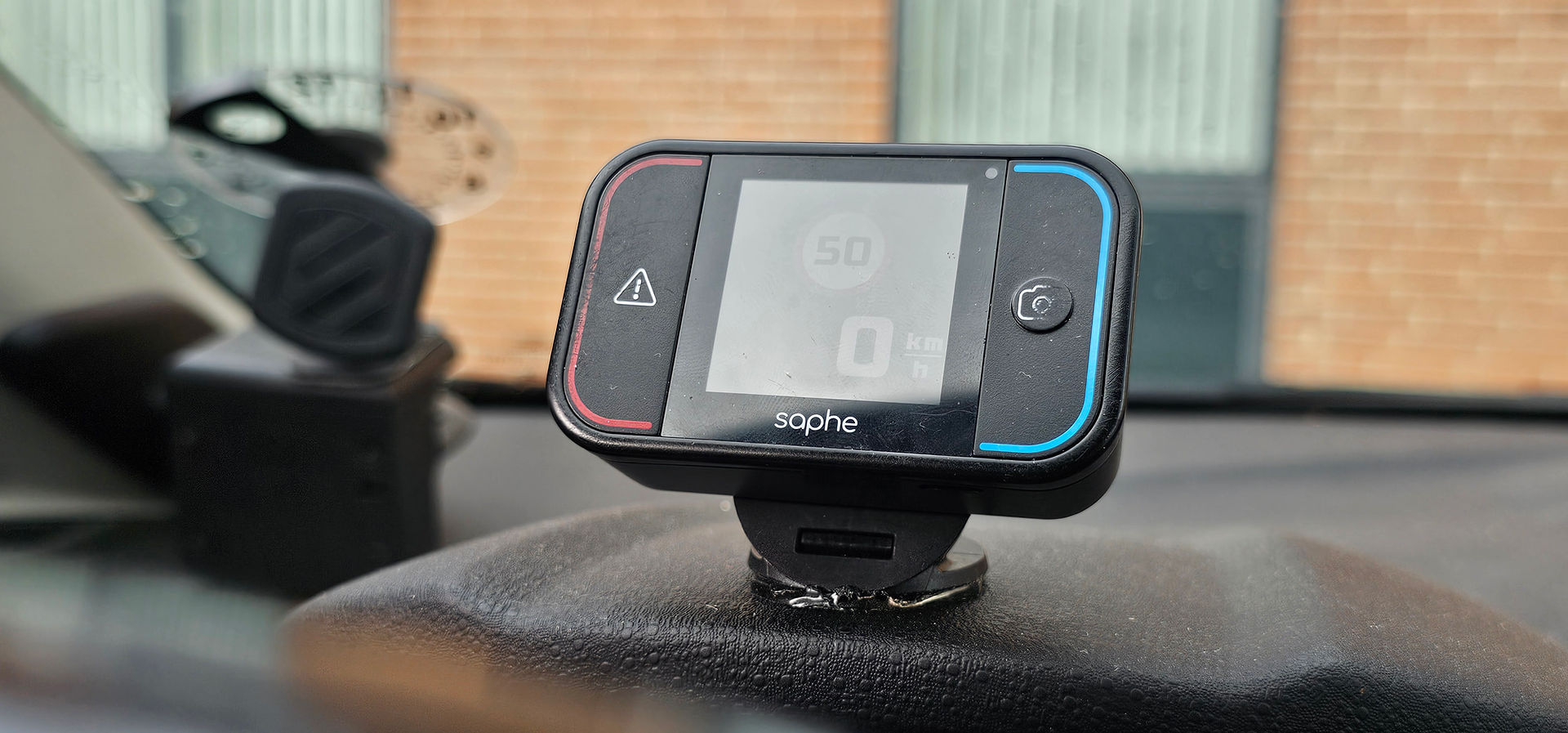

CareView – Making in-car information readable again
Independent Inventor, Denmark
CareView started with a simple frustration: important driving information that you can’t actually see.
Many modern in-car devices use reflective screens that become unreadable in sunlight or glare. The solution is surprisingly low-tech: a small, carefully shaped 3D-printed hood that sits over the device and blocks unwanted reflections.
No software, no updates, just a physical fix that makes the original technology finally do what it was supposed to do.
The jury appreciated CareView for exactly that reason. It’s a reminder that sometimes care is not about adding more, but about removing a small obstacle that was standing in the way all along.


Capsule Urbane – A new way to move with age
Collettivo Dora Nova, Turin, Italy
Capsule Urbane comes from a simple but often overlooked question: what happens when the people who once rocked and defined freedom start needing help to move through the city?
Instead of treating older citizens as people who have “slowed down,” the project looks at them as a generation that once rode scooters, shaped culture, and changed how Europe lived, especially in Italy, where mobility and style were never just practical, but personal.
Developed by Collettivo Dora Nova in Turin, the project reimagines urban mobility through that lens. The result is not a medical aid or a compromise solution, but a mobility concept that tries to bring back a sense of presence, independence, and even attitude.
The jury highlighted Capsule Urbane for something quite rare: it doesn’t design for decline. It designs for continuity so that growing older doesn’t mean stepping out of the city but staying in it, fully visible.


MaternaLink – Safer monitoring, freer movement during birth
Equatorix Life, in Singapore
Childbirth is already a moment where everything feels intense, physical, and unpredictable. But modern monitoring systems often add a quiet limitation: wires.
In traditional fetal monitoring, electrodes are attached and connected by cables to a machine, which means the mother often has to stay in one place for long periods. Walking, changing position, or using water during labour becomes difficult or sometimes impossible.
MaternaLink changes that. Developed by Equatorix Life, it sends the same vital information wirelessly, allowing continuous monitoring without keeping the mother physically attached to a machine. It also works safely in water, making birthing pools a real option rather than a logistical challenge.
The jury saw MaternaLink as a clear example of design stepping back just enough to let life happen. The technology stays present—but the restriction disappears. What remains is care that follows the body instead of holding it still.
About the GDA Design for Care Award
The GDA Design for Care Award celebrates design that quietly improves everyday life. Not through big gestures, but through careful attention to what people actually experience, often in moments that matter more than we notice at first glance.


Comments